Leake Street rubbish removal guide for South Bank traders
Posted on 12/10/2026
If you trade near Leake Street, you already know the area has its own rhythm. Busy footfall, late openings, deliveries squeezing into awkward gaps, and the kind of mixed waste that appears faster than you planned for. This Leake Street rubbish removal guide for South Bank traders is here to make that side of the business simpler. Whether you run a cafe, pop-up, bar, studio, retail unit, or market-style operation, rubbish clearance can turn from a background task into a daily headache very quickly.
The challenge is not just getting rid of waste. It is getting it removed cleanly, legally, at the right time, and without upsetting neighbours, customers, or your own staff workflow. In a place like South Bank, that matters more than most people think. Let's break it down properly, with the practical detail traders usually wish they had before the bins start overflowing.

Why Leake Street rubbish removal guide for South Bank traders Matters
For traders around Leake Street, rubbish is not just a cleanliness issue. It affects presentation, staff safety, customer perception, storage space, and sometimes even trading hours. A single overfilled skip bag or a stack of cardboard that drifts into the wrong place can make a small business look disorganised in minutes. Truth be told, people notice more than we like to think.
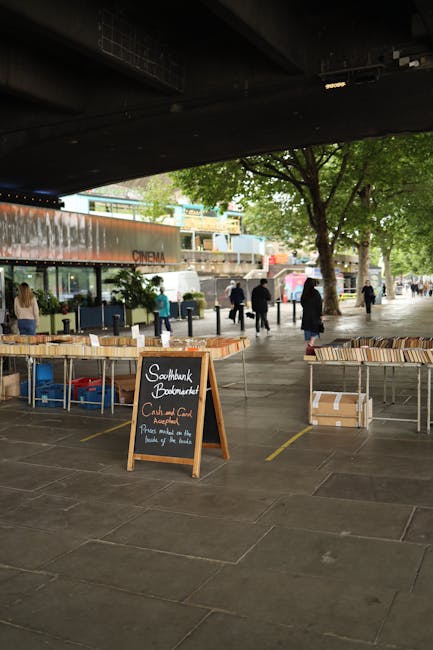
South Bank also has the kind of pedestrian traffic where waste needs to be controlled, not left to drift into public view. If your rubbish build-up becomes visible, it can undermine the atmosphere you have worked hard to create. That is especially true for hospitality and retail traders, where a tidy frontage can mean the difference between someone stepping inside or walking on past.
There is also a practical side. Waste that is left too long can attract pests, block access routes, create slip hazards, or make back-of-house work harder than it needs to be. And if you are operating from a compact unit, every spare square metre matters. One more pile of packaging and suddenly the stock room feels like a maze. Not ideal.
Key point: good rubbish removal is not a nice extra. For Leake Street traders, it is part of trading well.
How Leake Street rubbish removal guide for South Bank traders Works
Most rubbish removal in this area follows a straightforward pattern, but the details matter. Waste is usually sorted, lifted, loaded, and taken away by a clearance team or handled through a scheduled commercial waste arrangement. The best approach depends on how much you produce, what type of waste you create, and how quickly it needs to disappear.
Some traders generate steady daily waste: cardboard, food packaging, broken fittings, soft plastics, and the odd item of damaged stock. Others produce irregular loads, such as after refurbishments, seasonal stock rotation, or a change in layout. In those cases, a one-off clearance may be more efficient than trying to force everything into a weekly collection schedule that no longer fits.
The real question is simple: do you need routine control or a one-time reset? Often, the answer is a bit of both. A cafe might need daily bag management and periodic bulky item removal. A studio might need occasional strip-out clearances, then lighter ongoing disposal. It is rarely one-size-fits-all, despite what some people hope.
If you already run multiple operations in Waterloo or the wider South Bank area, it can help to align waste planning with other business services. For example, traders comparing broader support may find the services overview useful, while businesses planning around larger loads often look at rubbish clearance in Waterloo alongside more specific options.
Typical waste streams traders deal with
- Cardboard, packaging, and shrink wrap
- Broken display items or shelving parts
- Food-related waste and mixed bagged waste
- Office paper, archive material, and small fixtures
- Bulky items such as tables, chairs, or counters
- Light refurbishment debris from fit-outs or refreshes
Once you understand what you are actually producing, the rest gets easier. That sounds obvious, but a lot of waste problems begin with guesswork.
Key Benefits and Practical Advantages
The biggest benefit of organised rubbish removal is calm. Properly managed waste makes the whole business feel more in control, and in a busy location that feeling spreads quickly through the team. Staff can move more safely, customers see a cleaner environment, and you spend less time doing awkward bin-tetris at closing time.
There is also a financial angle. Waste that is not handled efficiently tends to create hidden costs. Staff spend time shifting it. Storage areas get blocked. You may pay for repeated small fixes instead of one sensible clearance. In some cases, poor waste handling can even create avoidable losses if stock or equipment gets damaged.
For South Bank traders, the operational advantages are especially noticeable:
- Better front-of-house presentation: clean entrances and tidy loading areas look more professional.
- Less disruption: rubbish can be removed at times that fit around trade rather than interrupting it.
- More usable space: a small stockroom suddenly becomes useful again.
- Safer working conditions: fewer trip hazards, fewer overloaded bags, fewer improvised piles.
- Improved sustainability habits: sorting recyclable material becomes easier when the process is planned.
And, to be fair, there is a human benefit too. A tidy workspace just feels better. You can hear it in the room. Less clatter, less stress, less that slightly grim feeling when waste starts winning.
If sustainability matters to your brand, it may also be worth reviewing recycling and sustainability so your disposal habits support the image you present to customers.
Who This Is For and When It Makes Sense
This guide is for traders who deal with more waste than the average household, but do not necessarily need a full-scale industrial waste setup. If your business sits anywhere between "a few sacks now and then" and "we cannot move in the back room," you are in the right place.
It is especially useful for:
- Cafes, bars, restaurants, and food-led businesses
- Independent shops and temporary retail units
- Creative studios and makerspaces
- Office-based traders and shared workspaces
- Pop-up businesses and short-term event traders
- Fit-out teams and landlords preparing a unit for handover
It also makes sense if you are in one of those awkward in-between phases. You know the sort. Trade is growing, waste is growing with it, and what worked six months ago no longer works. That is usually when businesses realise they need a proper plan rather than "we'll just sort the bins later." Later never arrives in a helpful mood.
If your clearance job is linked to a larger move, shutdown, or property reset, related services such as office clearance in Waterloo or house clearance in Waterloo can offer a broader frame of reference, especially if stock, furniture, and mixed waste are all involved.
Step-by-Step Guidance
A tidy waste process does not need to be complicated. It just needs to be deliberate. Here is a practical way to think about it.
1. Identify your waste types
Start by listing what you actually throw away in a normal week. Separate routine waste from occasional bulky waste. Cardboard is not the same as damaged furniture, and food waste is not the same as plasterboard or shelving. This simple distinction shapes everything else.
2. Estimate volume honestly
Be realistic. Traders often undercount waste because they are looking at a quiet Tuesday, not a Saturday after a stock delivery. If your waste spikes at certain times, build around the busiest version of the week, not the ideal one. Otherwise you end up with overflow. Happens all the time.
3. Decide whether you need regular collection or one-off clearance
If waste is predictable and recurring, ongoing collection may be the best fit. If you are clearing after a refurbishment, seasonal change, or sudden backlog, a one-off removal might be cleaner and more economical. Many businesses use both over time.
4. Plan access
Leake Street and the surrounding South Bank streets can be tight, busy, and time-sensitive. Make sure access points, loading areas, lift usage, and entry instructions are clear. The smoother the handover, the less disruption you will face. One overlooked detail can add far more delay than people expect.
5. Sort what can be separated
Where practical, keep cardboard, recyclable material, reusable items, and general waste apart. Good sorting makes removal easier and may reduce unnecessary disposal of material that could be recycled or reused.
6. Choose the right collection window
Pick a time that does not clash with deliveries, peak footfall, or your busiest trading period. Early mornings and quieter gaps often work best. It sounds minor, but timing is often the difference between "that was fine" and "that was a pain."
7. Confirm what happens after removal
Ask where the waste goes, how recyclables are handled, and whether the provider can explain their process clearly. You do not need a lecture. Just enough transparency to feel comfortable. That is reasonable.
For a broader sense of booking and pricing expectations, traders often compare service information with pricing and quotes before making a decision.
Expert Tips for Better Results
A few small habits can save a lot of hassle. Most of them are boring in the best possible way.
- Keep a waste log for two weeks. It does not need to be fancy. Just note what fills up, when, and how fast.
- Label your bins clearly. If staff have to guess where something goes, they will guess differently.
- Book clearances before you are desperate. Emergency waste management usually costs more in time, if nothing else.
- Use stackable storage for recyclables. Cardboard and packaging take over a room quickly if left loose.
- Match collection timing to trading patterns. Quiet windows reduce friction. Simple, but effective.
- Keep one "problem item" area. Broken chairs, odd fixtures, and miscellaneous bits should not wander around the premises like lost tourists.
One small but useful trick: assign one person to sign off on waste arrangements. Not because everyone else is careless, but because unclear responsibility creates drift. A little ownership goes a long way.
If your business also deals with renovation debris or fixture swaps, builders waste disposal in Waterloo may be relevant when the job starts looking less like tidying and more like a mini-strip-out.
Common Mistakes to Avoid
Most waste problems are not dramatic. They are just small mistakes repeated until they become expensive. Here are the usual suspects.
Mixing every waste type together
Cardboard, general rubbish, and bulky items all behave differently. When everything goes into one pile, clearance becomes slower and less efficient.
Leaving planning until after the pile is visible
By the time the waste is in the way, your options narrow. Planning early gives you more flexibility and less stress.
Ignoring access limits
In tight central London locations, a clearance team needs the right access details. Forgotten codes, unclear loading instructions, or blocked entry points are classic time-wasters.
Using the wrong collection rhythm
A weekly pickup can be too slow for some traders. A one-off service can be overkill for others. The right balance matters more than people think.
Assuming all waste is the same price to remove
It is not. Mixed waste, bulky items, reusable material, and restricted items all affect handling and disposal. No surprise there, really.
Forgetting staff habits
If your team does not know the system, the system fails. Waste planning only works if the people on shift can actually use it.
Tools, Resources and Recommendations
You do not need a warehouse full of kit. A few sensible tools and good habits are usually enough for most South Bank traders.
- Clearly labelled bins or sacks for separating waste streams
- Heavy-duty liners and tie systems for messier waste
- Compact storage cages or stackable crates for cardboard and recyclables
- Simple booking notes listing access details, timings, and contact names
- Basic weighing or volume estimation habits so you can track trends
It can also help to review the wider range of support available through waste removal in Waterloo if you are trying to decide between regular collection, occasional clearouts, or a more mixed arrangement.
For traders with a modest but steady stream of waste, a small improvement in sorting and scheduling often gives a bigger return than a complete overhaul. That is worth saying plainly. You do not need perfection. You need a process that behaves itself.
Law, Compliance, Standards, or Best Practice
Waste management for traders in the UK comes with legal and practical responsibilities, and it is wise to treat them seriously. You do not need to become a compliance specialist, but you do need to know the basics and choose sensible partners.
At a minimum, commercial waste should be managed in a way that avoids fly-tipping, nuisance, unsafe storage, and uncontrolled disposal. Businesses are generally expected to use appropriate waste arrangements, keep their premises tidy, and ensure waste is handled responsibly. If your waste contains confidential material, sharp objects, electrical items, or anything potentially hazardous, extra care is needed.
Best practice usually includes:
- Keeping waste stored securely before removal
- Separating recyclable material where practical
- Making sure staff know what can and cannot go in each container
- Using clear pickup instructions and access arrangements
- Checking insurance and safety standards where relevant
It is also sensible to work with a provider that can talk plainly about process and safety. If you need a better sense of that side of the service, insurance and safety is a useful page to review. Small detail, big peace of mind.
And if you handle sensitive business information, keep a strong eye on disposal of paperwork, devices, or archived material. A bag of waste is not just a bag of waste if it contains account records or customer data. That part is easy to forget, and worth double-checking.
Options, Methods, or Comparison Table
Different traders need different approaches. Here is a simple comparison to help you think through the main options without getting lost in jargon.
| Method | Best for | Pros | Trade-offs |
|---|---|---|---|
| Regular commercial collection | Predictable daily or weekly waste | Routine, easy to manage, less buildup | Can be less flexible for one-off bulky loads |
| One-off rubbish removal | Clear-outs, seasonal resets, refurbishments | Fast, targeted, good for sudden volumes | Not ideal for constant recurring waste |
| Mixed approach | Businesses with both steady waste and occasional bulky items | Balanced, practical, adaptable | Needs a bit more planning |
In real life, the mixed approach often wins. A cafe might use regular collection for daily waste and a one-off removal after a storage room reset. A retail trader might need steady cardboard management but only occasional bulky disposal. That kind of hybrid setup is common, and frankly, it usually makes the most sense.
For traders who want a broader look at business services in the area, the your rubbish removal needs page can help you think through what kind of service shape fits your operation.
Case Study or Real-World Example
Picture a small South Bank trader operating from a compact unit close to Leake Street. The business sells fast-moving consumer items, so packaging arrives daily. At first, the team uses a couple of general bins, a cardboard corner, and a "we will deal with it tomorrow" attitude. By the end of the week, the back room is crowded, stock is harder to reach, and cardboard starts leaning against the wall like it has given up.
What changed? Not much, and that is the point. They did not need a giant waste overhaul. They simply split waste into categories, set a fixed removal time, and created a small holding area for bulky items. They also stopped letting staff guess what to do with packaging after deliveries. Very glamorous stuff, obviously.
Within a short time, the unit felt more manageable. Staff movement improved. Deliveries became easier. Customers were no longer met by a chaotic-looking back-of-house arrangement. It was not a dramatic transformation, but it was the kind of change you feel all day long.
If your own operation is starting to look like that, the answer is usually not to work harder. It is to organise the waste better. Small shift, big payoff.
Practical Checklist
Use this checklist before your next rubbish removal arrangement or clear-out:
- List the main waste types your business produces
- Estimate weekly volume and peak periods
- Separate general waste, recycling, and bulky items
- Confirm access details, loading instructions, and timing
- Make sure staff know what goes where
- Check whether any items need special handling
- Review storage space so waste is not blocking operations
- Ask how the waste will be handled after collection
- Keep important paperwork or sensitive items out of general waste
- Set a review date to see whether the arrangement still fits
Quick reassurance: you do not have to get everything perfect on day one. A workable system that improves over time is better than a perfect plan nobody follows.
Conclusion
For South Bank traders, rubbish removal is part of the customer experience, part of staff safety, and part of staying efficient in a busy, high-footfall part of London. The more clearly you define your waste habits, the easier everything becomes. Less clutter. Less last-minute panic. More room to focus on the actual business.
The best Leake Street waste strategy is usually the one that matches your trading pattern, protects access, and keeps your premises looking intentional rather than overwhelmed. Keep it simple, keep it regular, and do not wait until waste becomes a visible problem before you act. That is one of those tasks that rewards early attention every single time.
If you are ready to tidy up your waste process and want support that fits your trading pace, take the next step today. A clearer back room and a cleaner frontage can make the whole place feel lighter, almost instantly.
Get a free quote today and see how much you can save.
 Tipper Van - Rubbish Removal and Waste Removal Prices in Waterloo, SE1
 Luton Van -


